How Asana onboards: a UX teardown
A screen-by-screen UX teardown of Asana's onboarding flow on Android: what each of its 7 steps is for, where it asks for commitment, and what other productivity & tools apps do differently. Every screen and quote is from our own capture on a real device.
The short version
Shape: Permission prompt → Value pitch ×2 → Consent ×4.
- 7 screens — longer than the median onboarding flow in the library (4 screens across 152 other apps).
- No sign-up or log-in screen in the 7 onboarding screens we captured.
- Requests a system permission at step 1, after priming it on screen.
- No progress indicator detected across 7 screens.
- One of the few productivity & tools apps here using the “Cookie consent banner” pattern (only 5 of the 53 others do).
- Built from button (4 screens), text field (3 screens) and dialog (1 screen) — the most common components we detected in the flow.
Step by step
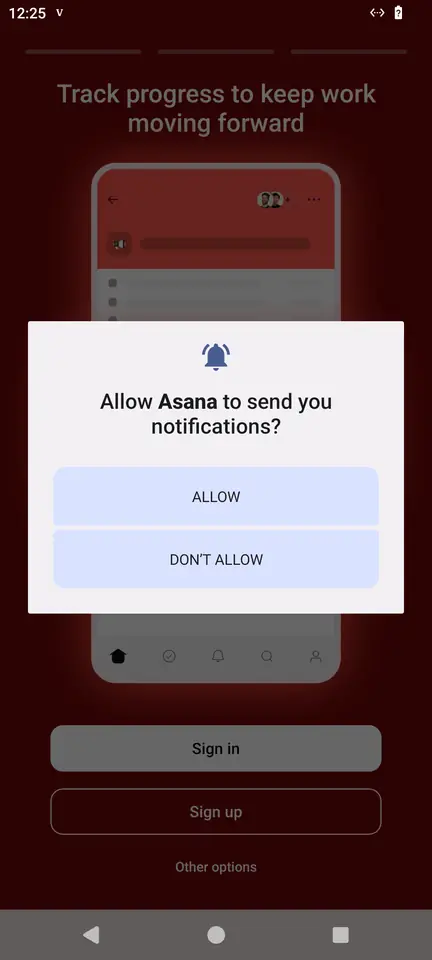
“Allow Asana to send you notifications?”
This screen asks for a system permission. On screen: ALLOW
, DON’T ALLOW
. Next tap: “Allow”.
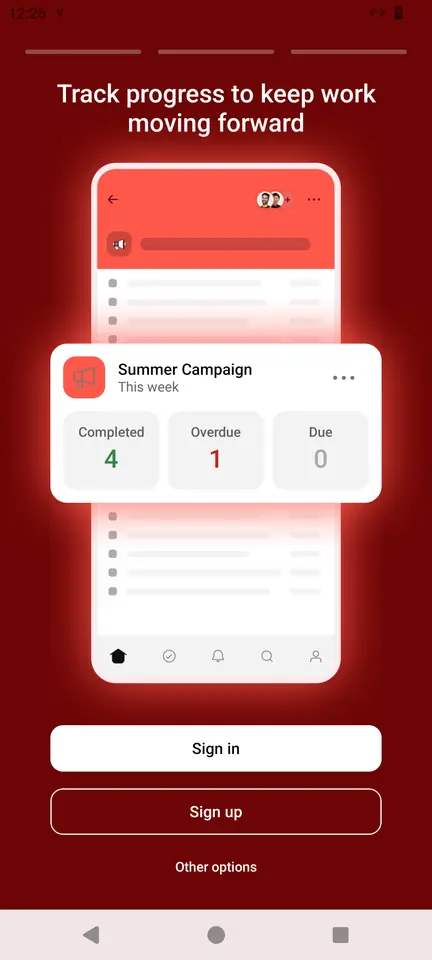
“Track progress to keep work moving forward”
This screen sells the product before asking for anything. On screen: Project
, Summer Campaign
. Next tap: “Other options”.
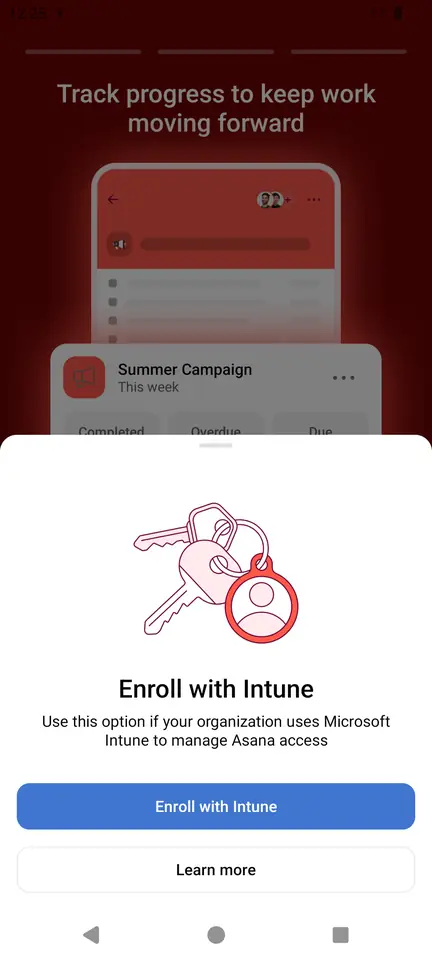
“Enroll with Intune”
This screen sells the product before asking for anything. On screen: Learn more
. Next tap: “Enroll with Intune”.
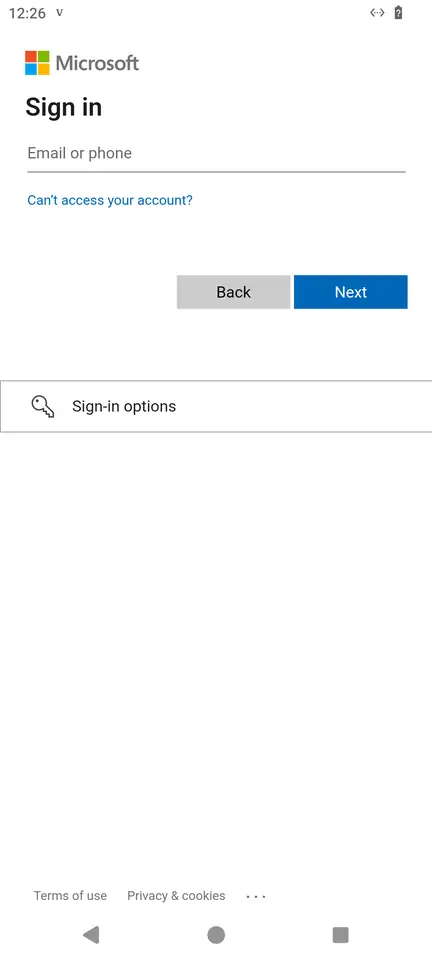
Onboarding screen
This screen asks for privacy / cookie consent.
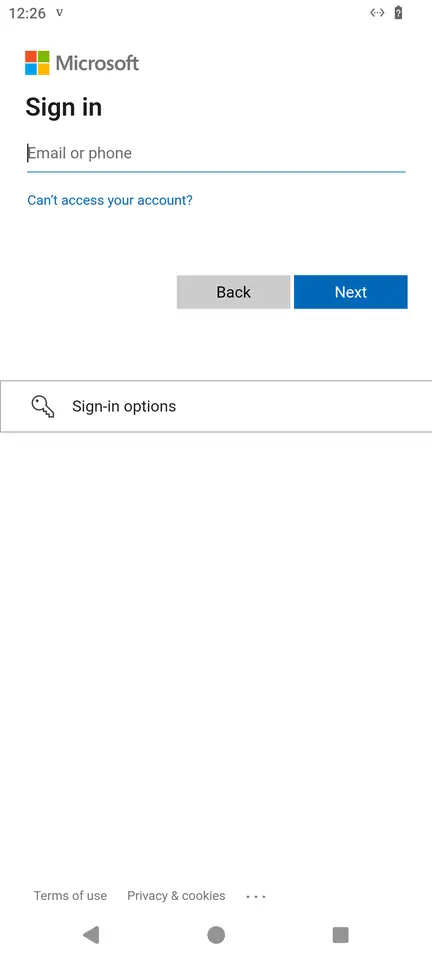
“Sign in to your account”
This screen asks for privacy / cookie consent. On screen: Microsoft Sign-in options
, Microsoft
. Next tap: “Microsoft=9”.
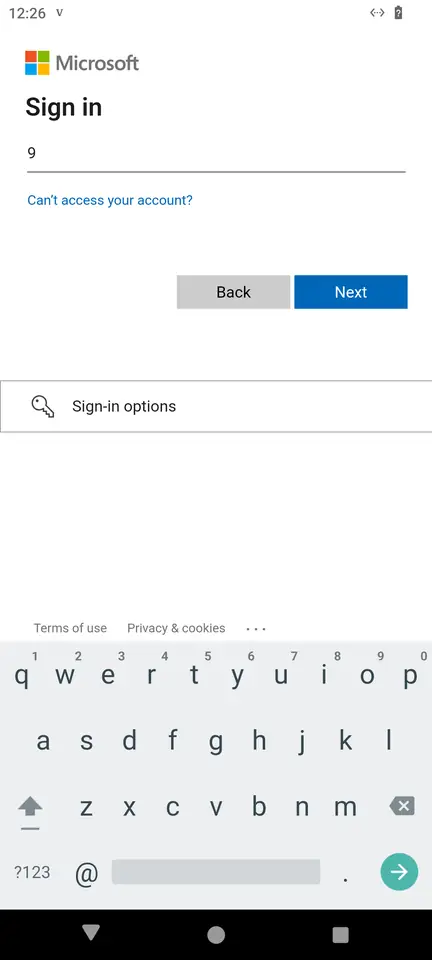
“Sign in to your account”
This screen asks for privacy / cookie consent. On screen: Microsoft Sign-in options
, Microsoft
. Next tap: “Next”.
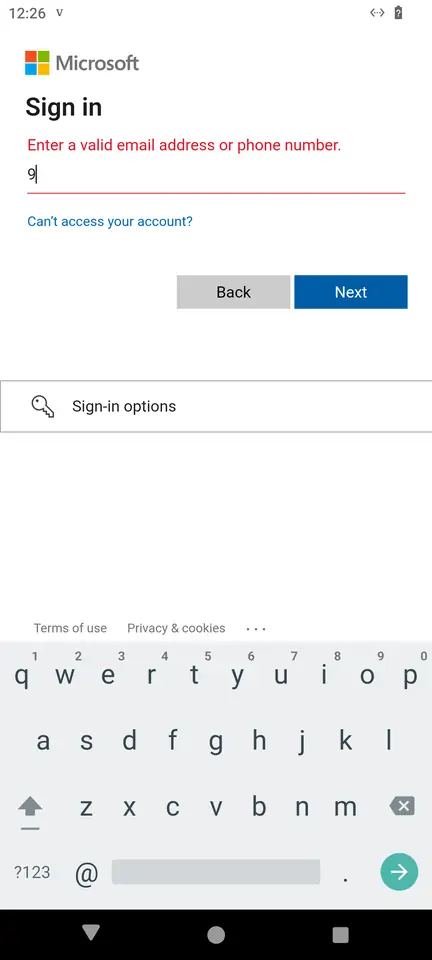
“Enter a valid email address or phone number.”
This screen asks for privacy / cookie consent. On screen: Sign in to your account
, Microsoft Sign-in options
.
What to steal from Asana
- Keep every step single-purpose: each of Asana's 7 screens does one job (consent, permission prompt and value pitch).
UI components in this flow
As an X thread
- 1/ How Asana onboards on Android: 7 screens, step by step. A UX teardown 🧵
- 2/ The shape of the flow: Permission prompt → Value pitch ×2 → Consent ×4.
- 3/ Step 1 — permission prompt: “Allow Asana to send you notifications?”. It asks for a system permission. Tap: “Allow”.
- 4/ Step 2 — value pitch: “Track progress to keep work moving forward”. It sells the product before asking for anything. Tap: “Other options”.
- 5/ Step 3 — value pitch: “Enroll with Intune”. It sells the product before asking for anything. Tap: “Enroll with Intune”.
- 6/ No sign-up or log-in screen in the 7 onboarding screens we captured.
- 7/ Requests a system permission at step 1, after priming it on screen.
- 8/ No progress indicator detected across 7 screens.
- 9/ What to steal — Keep every step single-purpose: each of Asana's 7 screens does one job (consent, permission prompt and value pitch).
- 10/ Every screen, in order, free: https://uilane.com/teardown/asana/
FAQ
How many screens is Asana's onboarding flow?
We captured 7 screens of Asana's onboarding flow on a real Android device. Its shape: Permission prompt → Value pitch ×2 → Consent ×4.
When does Asana ask you to create an account?
Not within the 7 screens we captured — there is no sign-up or log-in screen.
What UI patterns does Asana use?
Across the 7 Asana screens in the library we detected permission priming and cookie consent banner.
What can designers learn from Asana's onboarding flow?
Keep every step single-purpose: each of Asana's 7 screens does one job (consent, permission prompt and value pitch).
Captured on a real Android device · last updated 2026-11-14