Android login screen UI: what 122 real apps are built from
Across 237 login screens from 122 apps, the most common detected components are text field (39% of screens), button (24% of screens) and password field (14% of screens). Measured from the Android view hierarchy of every login screen in the Flowtape library.
Every screen, as a gallery: Login screen examples.
What is a login screen?
A login screen is where a returning user signs in to an app — usually with email and password, a one-time code, or a social account such as Google, Facebook or Apple — and where a new user can switch to sign-up.
UI components on Android login screens
Share of the 237 login screens where each component is present in the view hierarchy and drawn on screen. The example shows it outlined.
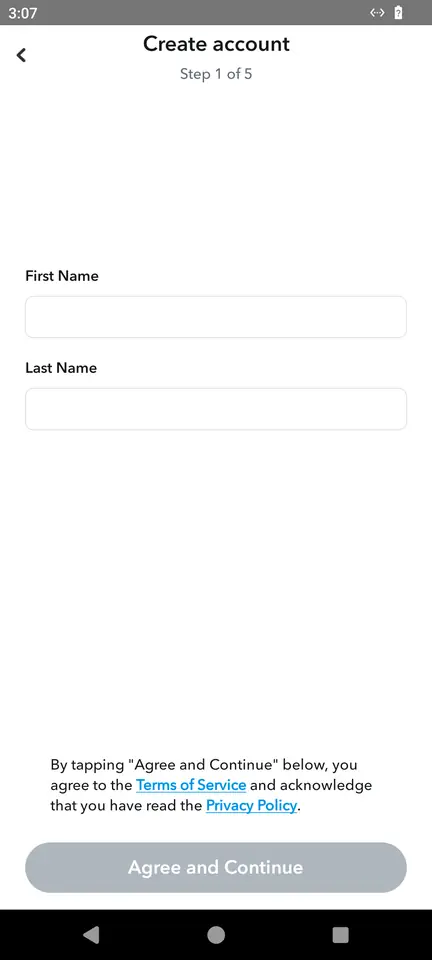
Text field
68 apps · example: Snapchat
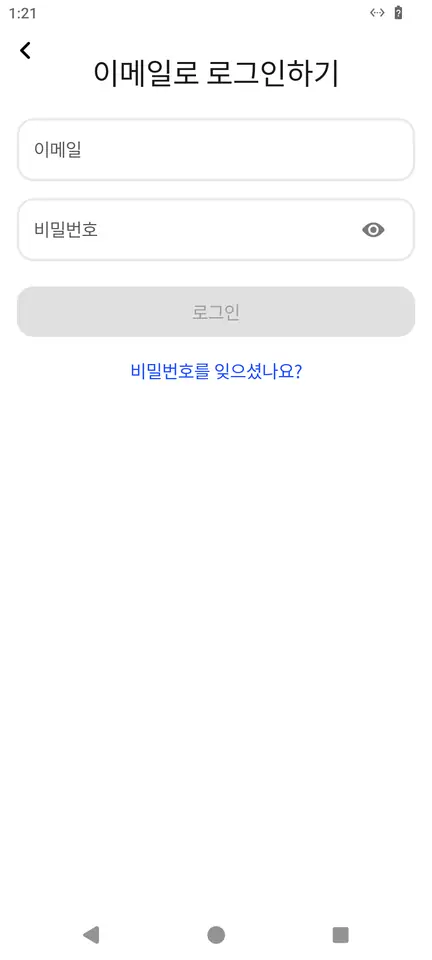
Password field
27 apps · example: Speak
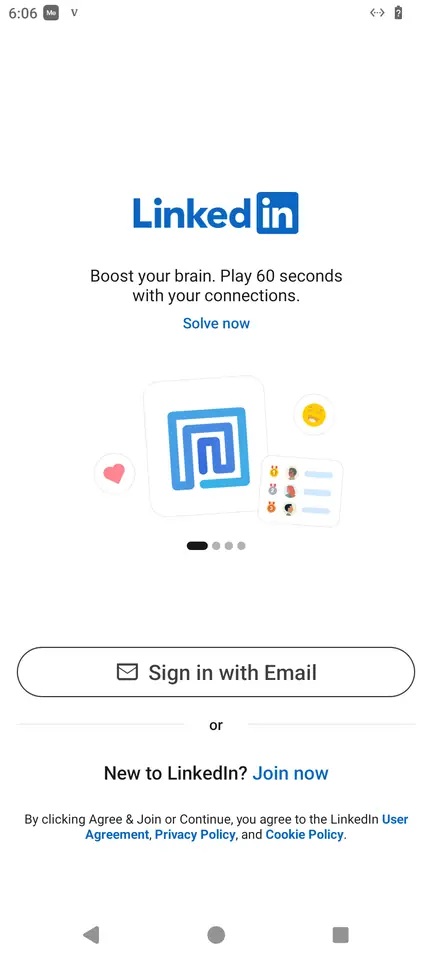
Page indicator dots
17 apps · example: LinkedIn
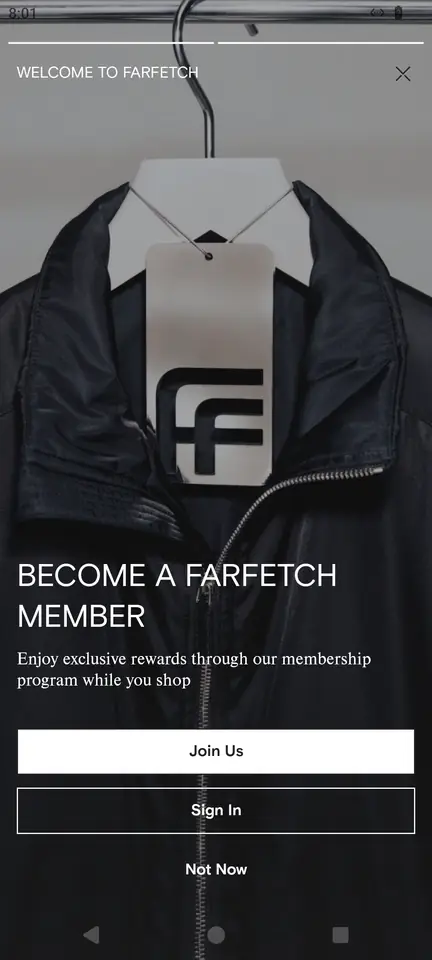
Icon button
12 apps · example: FARFETCH
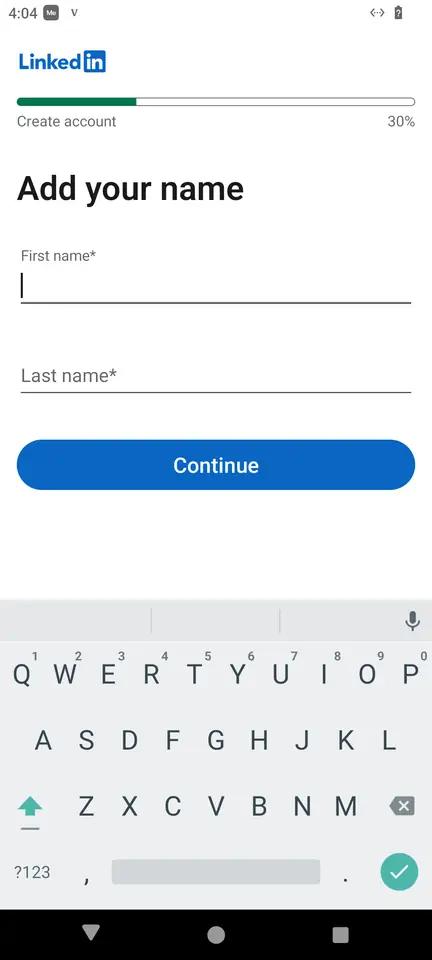
Progress bar
7 apps · example: LinkedIn
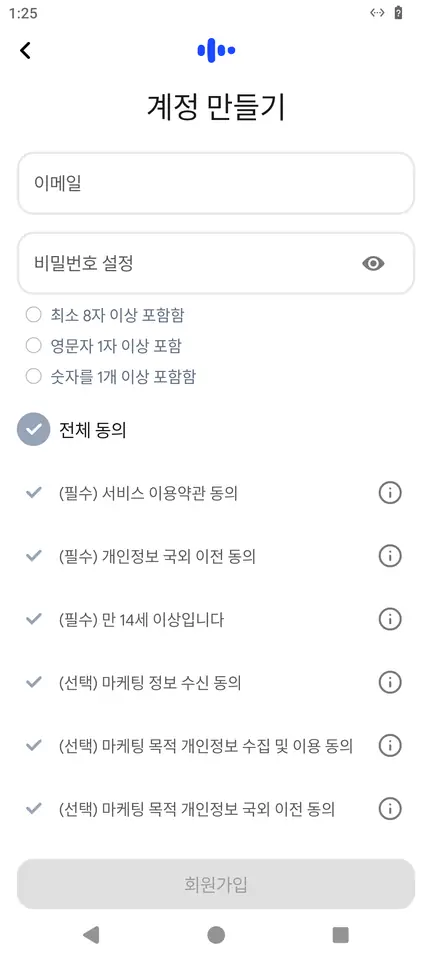
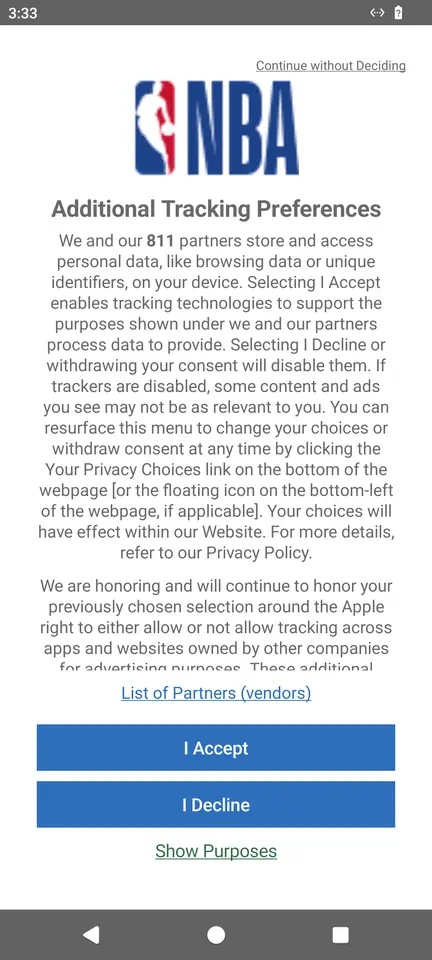
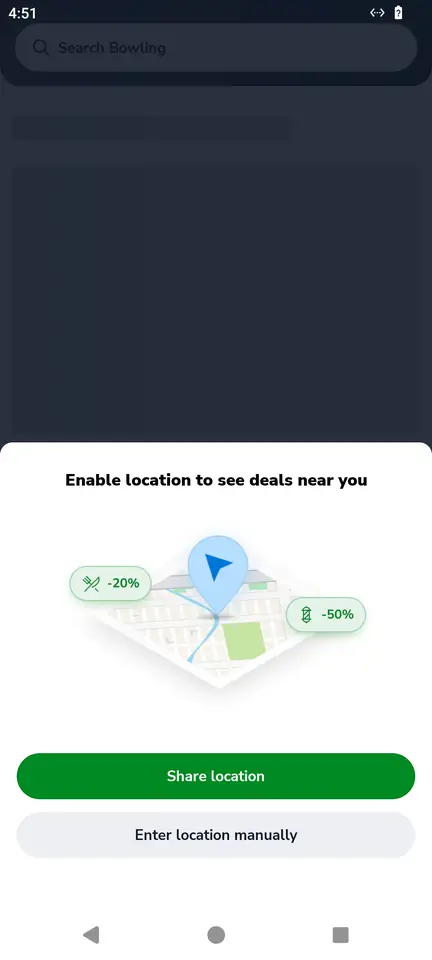
Bottom sheet
5 apps · example: NBA
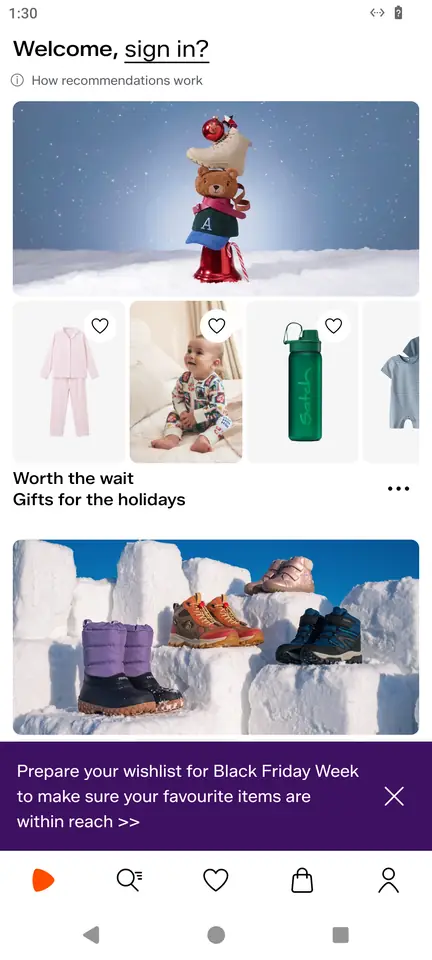
Loading spinner
1 app · example: Groupon
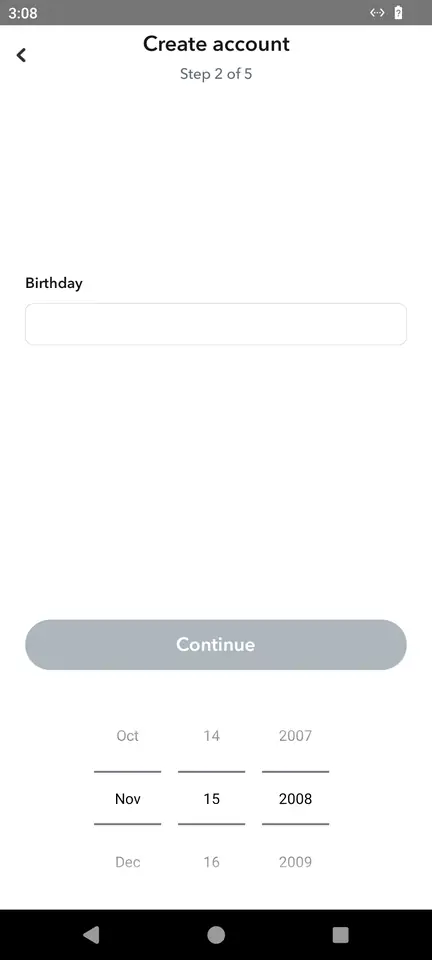
Wheel picker
1 app · example: Snapchat
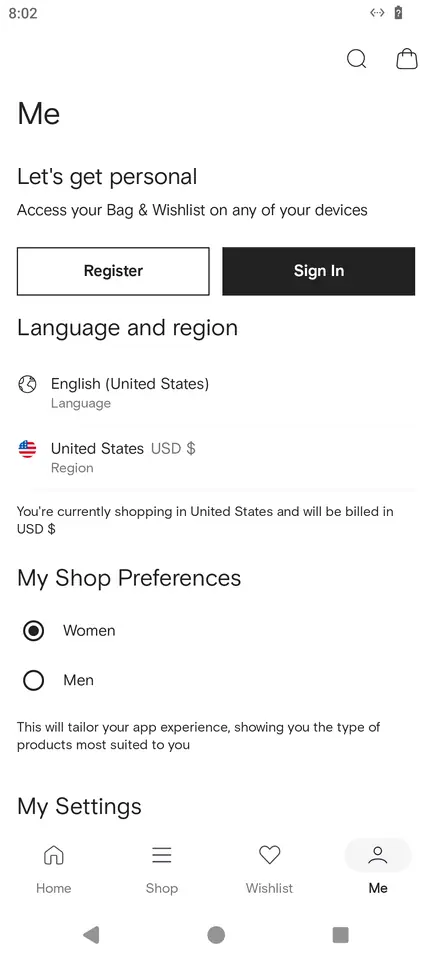
Radio button
2 apps · example: FARFETCH
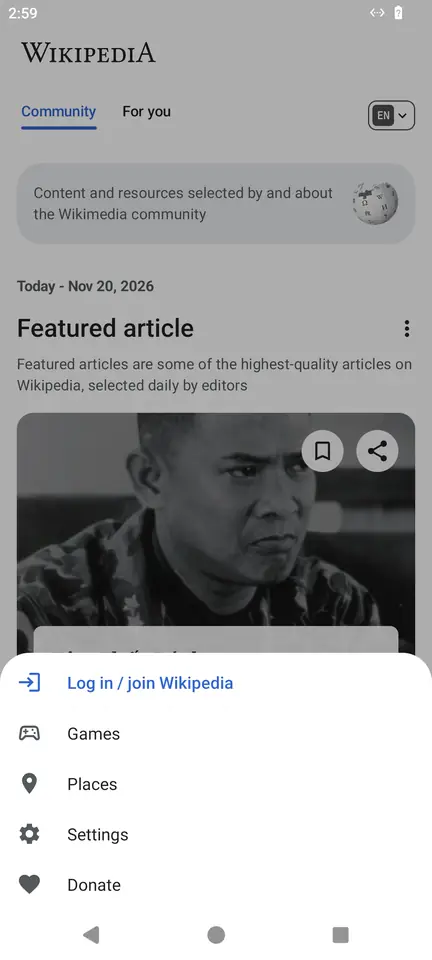
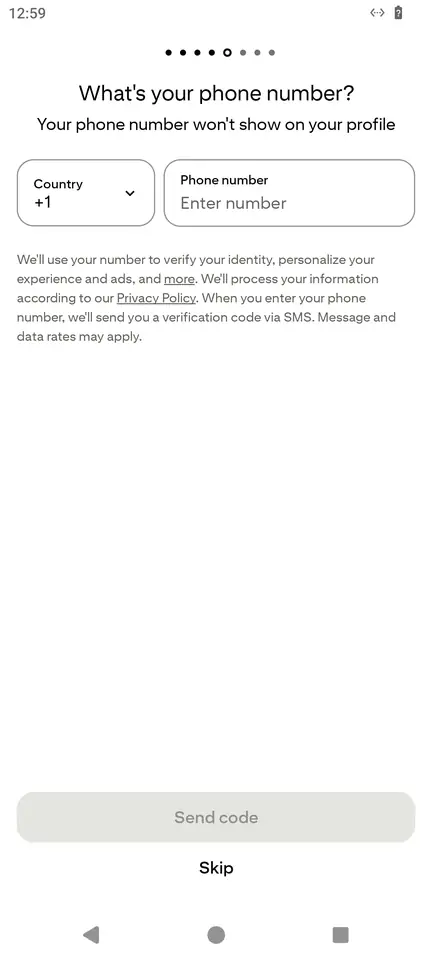
Dropdown menu
1 app · example: Pinterest
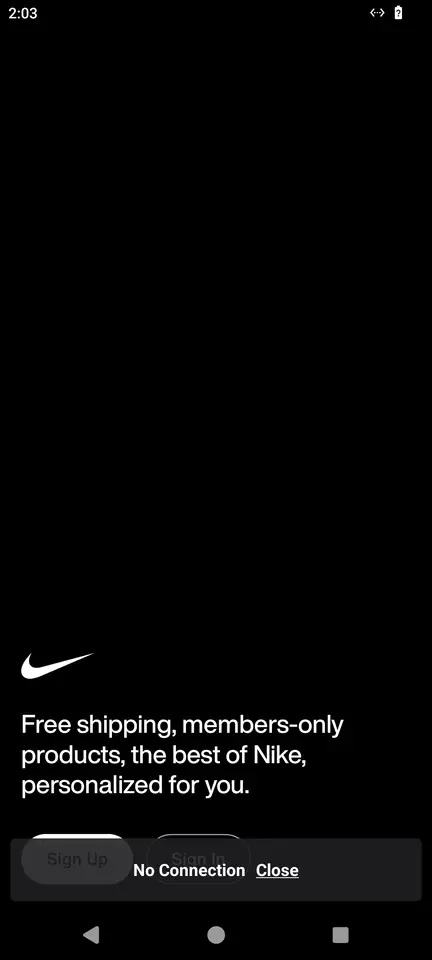
UI patterns on Android login screens
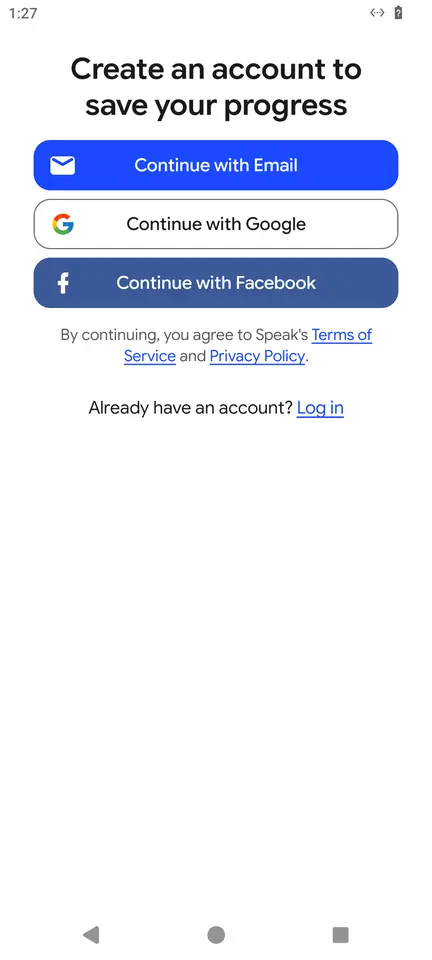
Email sign-up form
example: Speak
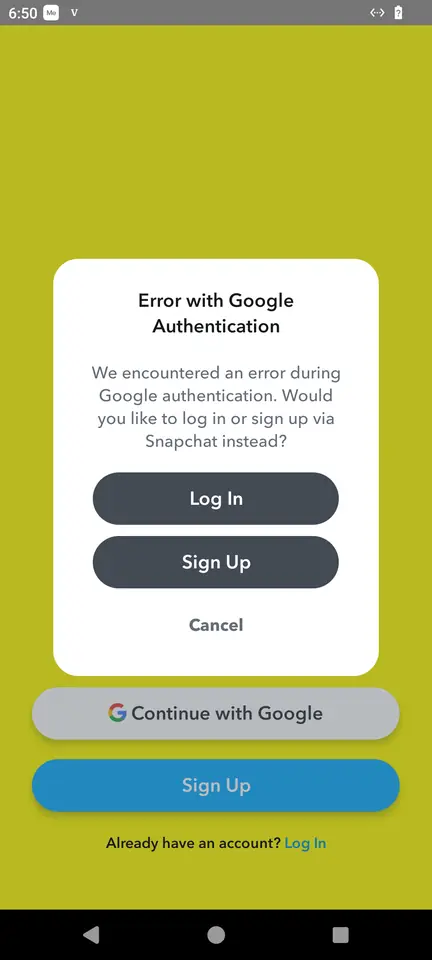
Social login buttons
example: Snapchat
Terms and conditions agreement
example: Snapchat
Skip button
example: FARFETCH
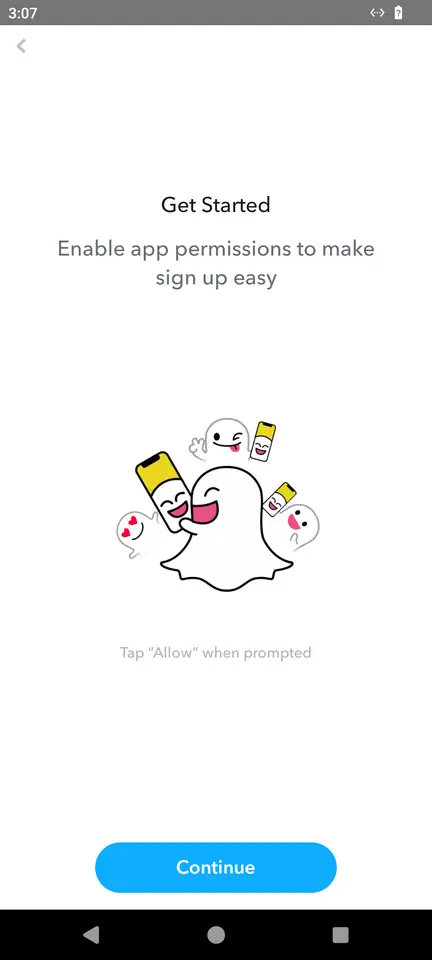
Welcome screen
example: Snapchat
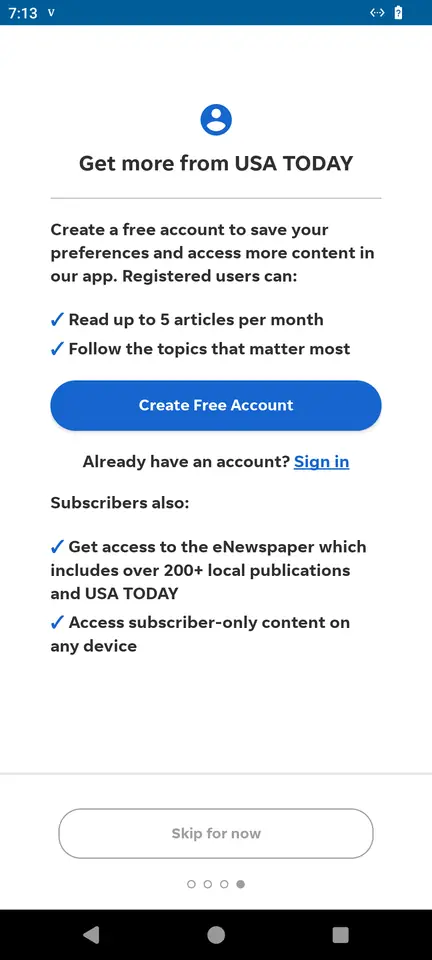
Pricing plans
example: Asbury Park Press
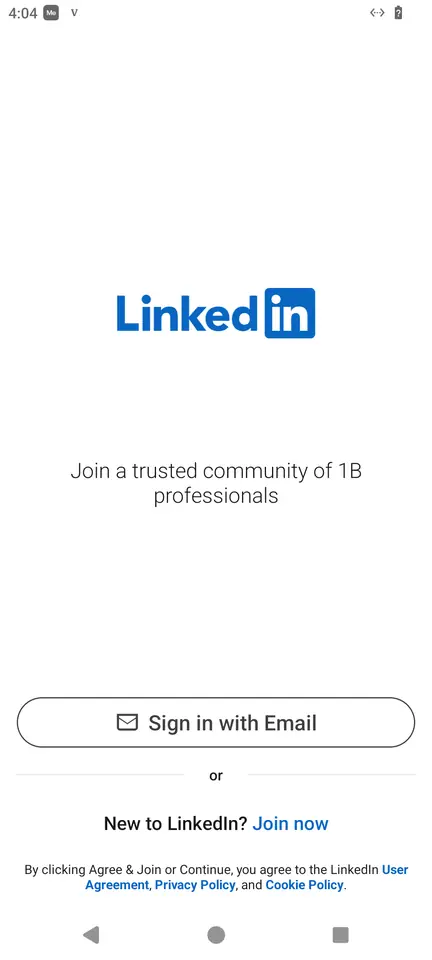
Cookie consent banner
example: LinkedIn
Registration wall
example: Speak
Onboarding progress indicator
example: Snapchat
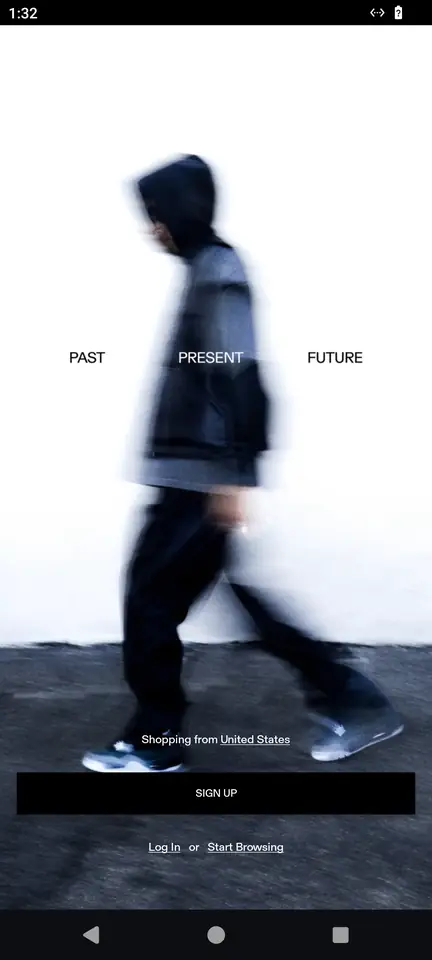
Guest mode
example: GOAT
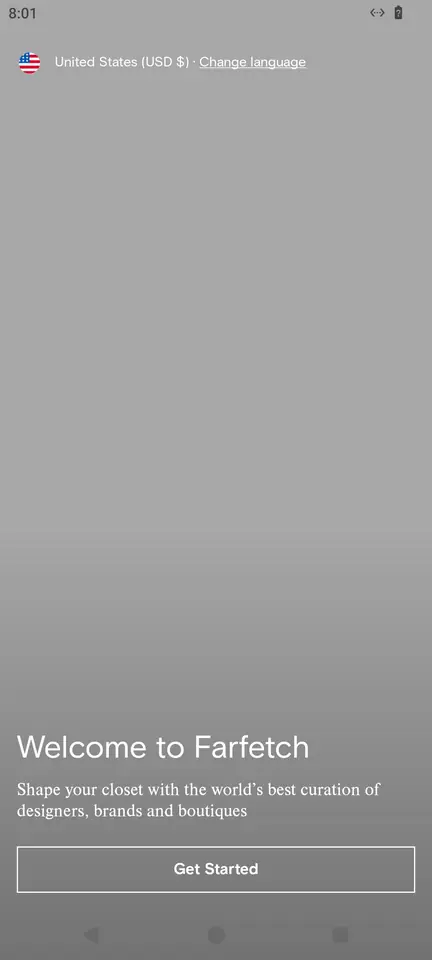
Language selector
example: FARFETCH
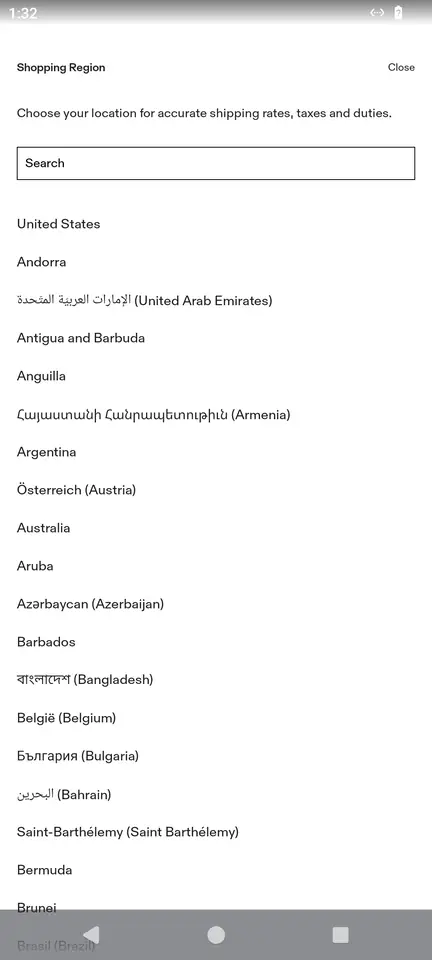
Location & store picker
example: GOAT
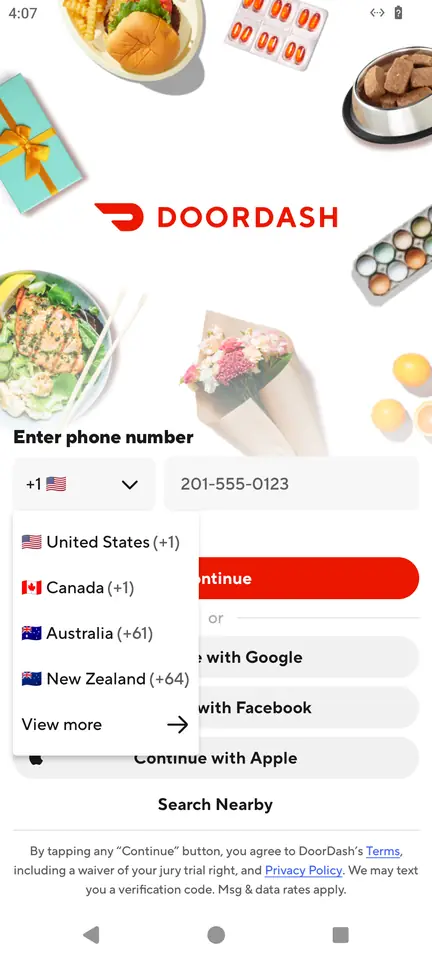
Phone number verification
example: DoorDash
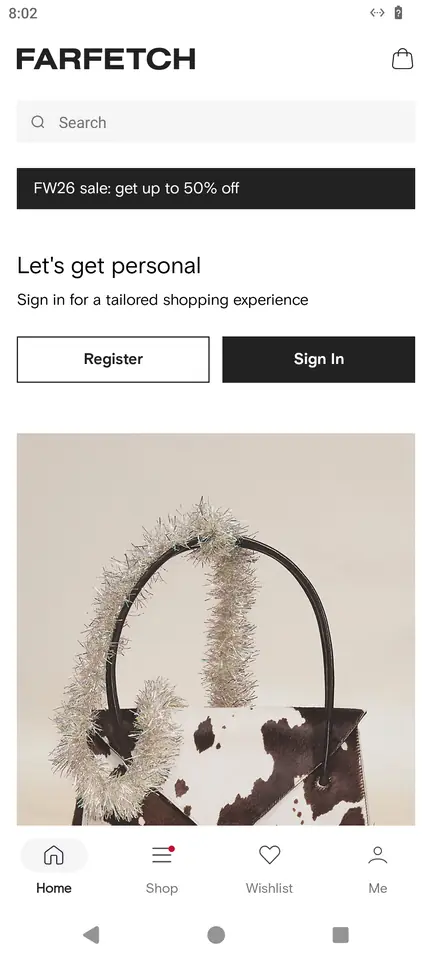
Promo banner
example: FARFETCH
Onboarding survey
example: Snapchat
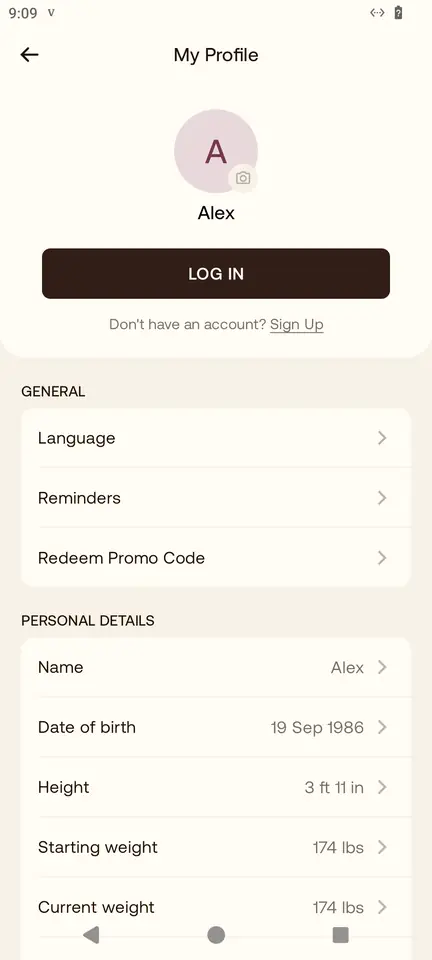
Permission priming
example: Groupon
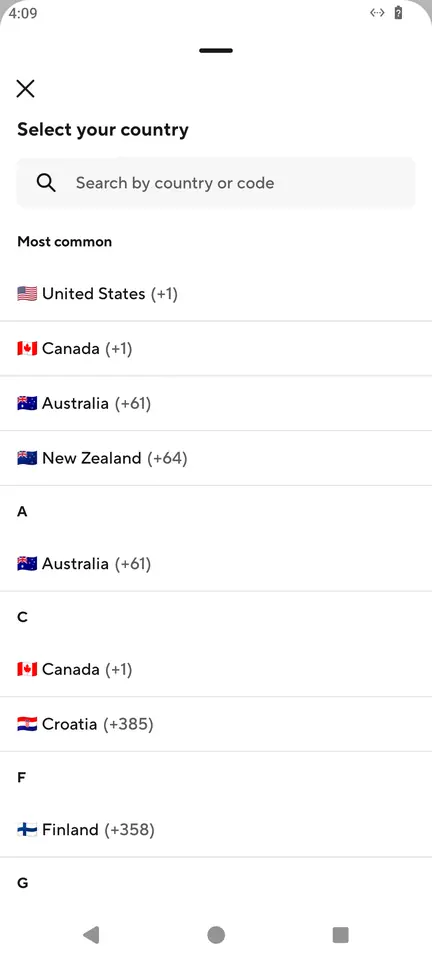
Search bar
example: DoorDash
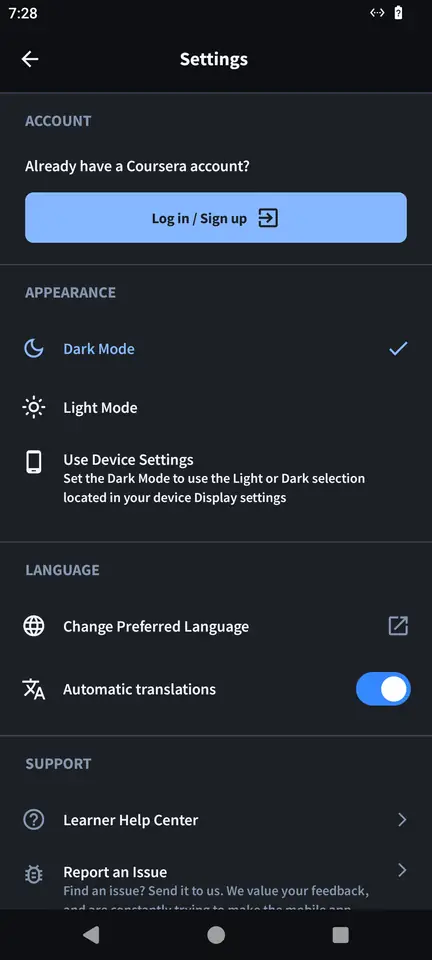
Dark mode toggle
example: Coursera
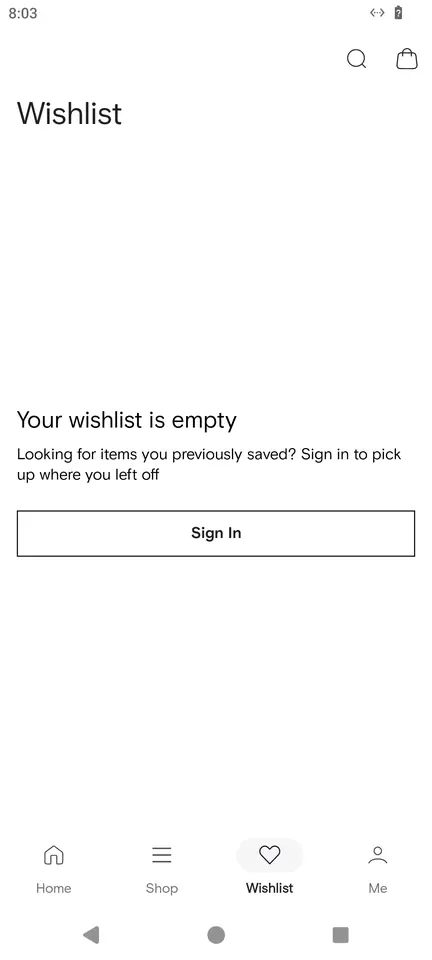
Empty state
example: FARFETCH
Building it on Android
- On Android the platform way to sign in with Google is Credential Manager (it replaced the legacy Google Sign-In SDK), which shows a system bottom sheet instead of a full screen.
- Mark fields with the right autofill hints (username, password, one-time code) so Android Autofill and password managers can fill them.
- SMS one-time codes can be read automatically with the SMS User Consent or SMS Retriever APIs.
By app category
Apps with login screens in the library, by category.
FAQ
What UI components do Android login screens use?
Across 237 login screens from 122 apps, the most common detected components are text field (39% of screens), button (24% of screens) and password field (14% of screens).
How do you build a login screen on Android?
On Android the platform way to sign in with Google is Credential Manager (it replaced the legacy Google Sign-In SDK), which shows a system bottom sheet instead of a full screen. Mark fields with the right autofill hints (username, password, one-time code) so Android Autofill and password managers can fill them. SMS one-time codes can be read automatically with the SMS User Consent or SMS Retriever APIs.
Which UI patterns are common on Android login screens?
On the 122 apps we captured, the most common are email sign-up form (68 apps), social login buttons (60 apps) and terms and conditions agreement (48 apps).
Measured on screens captured on real Android devices · last updated 2026-11-14